Colorado Real Estate Authority

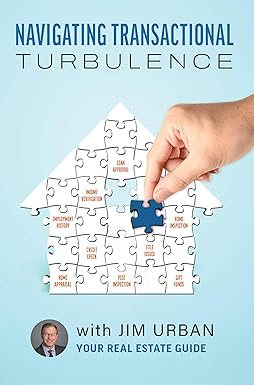
Navigating
Transactional Turbulence
with Jim Urban

116 real estate challenges. One experienced guide. Whether you're buying or selling, Jim Urban has navigated every storm — and he'll navigate yours.

REALTOR® License #ER.001096355 Denver Metro Expert Published Author

What Is Transactional Turbulence?

Behind every real estate transaction are dozens of invisible forces that can delay, derail, or dissolve a deal. Jim Urban has identified 116 distinct types of turbulence — and knows how to navigate every one.

Buyer Turbulence

Financing & Qualification Challenges

From late payments and undisclosed debt to job loss mid-escrow — when a buyer's finances shift, the whole transaction shakes.

Seller Turbulence

Title, Liens & Motivation Issues

Sellers who can't find replacement homes, liens discovered at closing, or motivation that evaporates — Jim has seen it all and solved it all.

Property Turbulence

Appraisal, Inspection & Structural Surprises

Hidden defects, structural issues, uninsurable homes, and appraisal gaps — the property itself can be the source of the storm.

Lender Turbulence

Loan Delays, Guidelines & Rate Changes

Mid-transaction guideline changes, last-minute appraisal requests, and funding failures — lender turbulence is real, and Jim navigates it.

Legal & Title Turbulence

Escrow, Wire Fraud & Chain of Title

Cybersecurity threats, broken title chains, foreign seller withholding, and POA complications require expert guidance to resolve.

Human Turbulence

Emotions, Personalities & Life Events

Emotional sellers, personality clashes, unexpected illness or divorce — real estate is about real lives, and Jim guides people through them.

Meet Jim Urban

Since Jim R. Urban founded Urban Companies in 1988, the mission has never changed: Just serve the people. That philosophy — not just a tagline, but a daily commitment — has guided thousands of Colorado families through one of the most significant journeys of their lives.

Today, as a second-generation real estate leader, Jim Urban carries that legacy forward with the same passion, integrity, and commitment to personal service. He doesn't just sell homes. He navigates people through transactional turbulence with foresight, care, and a steady hand.

An avid cyclist, Jim understands that the long climb — whether up a mountain pass or through a complex escrow — requires preparation, endurance, and an unshakeable can-do attitude. That's exactly what he brings to every transaction.

Licensed Colorado REALTOR® — License #ER.001096355
Serving the entire Denver Metro area and surrounding Colorado communities
Author of Navigating Transactional Turbulence — 116 scenarios, 116 solutions
Member, Urban Companies — founded 1988 with a mission to serve
Committed to relationship-based, one-on-one, human-first real estate
REALTOR® following the highest ethical standards

Jim Urban — Colorado REALTOR® and author

All 116 Turbulences

Click any card to read Jim's guidance on navigating that challenge.

1
Lying on a Loan Application: A Risky Move with Big Consequences
Buyer

Mortgage underwriters verify every detail. When they uncover discrepancies, your loan could be denied outright — or called due after closing, leading to foreclosure or legal trouble. Telling the truth keeps the process smooth and protects your financial future.

"A lie on your loan application builds a house of cards, not a home." — Jim Urban
2
Late Payments and Loan Approval: A Bump in the Road
Buyer

Even a single recent late payment can lower your credit score, raise interest rates, or trigger loan denial. Timely bill payments in the months before purchase are critical — and if you have late payments, be transparent with your lender upfront.

"Yesterday's late payment is tomorrow's loan denial." — Jim Urban
3
Debt: A Mortgage Dealbreaker Waiting to Happen
Buyer

A new car loan, maxed-out credit card, or personal loan after application tips the debt-to-income ratio and can cost you your approval. Don't take on any new debt — not even a small store credit card — after applying for a mortgage.

"New debt during escrow turns your dream home into a mirage." — Jim Urban
4
When the Borrower Loses Their Job During Escrow
Buyer

Losing a job mid-transaction removes the financial stability that supported the loan approval. Without steady income, lenders won't move forward. Swift action, honesty, and collaboration can sometimes keep the deal afloat.

"A job loss during escrow isn't just about income — it's about dreams put on hold." — Jim Urban
5
When the Co-Borrower Loses Their Job During Escrow
Buyer

The co-borrower's income loss can throw off the debt-to-income ratio. Quick communication with your lender and agent — and creative solutions — may keep the transaction on course despite the turbulence.

"Two incomes make the dream; one income breaks the team." — Jim Urban
6
When Income Verification Falls Short
Buyer

If the lender verifies that your income is lower than stated, it can reduce purchasing power or disqualify you. Double-check all income details before submitting — accuracy is critical on loan applications.

"Stated income is a story; verified income is your key." — Jim Urban
7
When Overtime Income Isn't Allowed for Loan Qualification
Buyer

Lenders often require a consistent two-year history of overtime income to count it in calculations. Without that history, your debt-to-income ratio may not meet requirements — shrinking your buying power unexpectedly.

"Extra hours don't always equal extra house — verify before you rely." — Jim Urban
8
When a Large Credit Purchase Threatens the Closing
Buyer

A new car, furniture, or large credit charge right before closing changes your debt-to-income ratio and can lower your credit score — triggering a higher rate or outright denial. Stability is key to a smooth closing.

"That new car smell could make your dream home vanish." — Jim Urban
9
When Life Happens: Illness, Injury, Divorce, or Financial Setbacks
Buyer

Major life events during escrow can throw off loan approvals and the ability to close. Early communication and willingness to adapt can often keep the transaction on track despite the turbulence.

"Life doesn't pause for escrow — plan for the unplanned." — Jim Urban
10
When the Buyer Lacks Motivation: A Transaction Stuck in Neutral
Buyer

A buyer's hesitation delays signing paperwork, scheduling appointments, and following through on essential steps. Buying a home requires energy and decisiveness — hesitation can let the perfect home slip away.

"Hesitation buys someone else's dream home." — Jim Urban
11
When the Gift Donor Changes Their Mind: A Financial Curveball
Buyer

Without gift funds, the debt-to-income ratio may no longer qualify and upfront costs can't be covered. Confirm the donor's commitment early and in writing — a properly documented gift letter prevents last-minute surprises.

"A gift with strings attached becomes a noose at closing." — Jim Urban
12
When a Missing Divorce Decree Holds Up the Deal
Buyer

Without a divorce decree, the lender cannot verify financial obligations or accurately assess the debt-to-income ratio. Keep critical documents easily accessible during the home-buying or selling process.

"Past papers predict future keys — keep your decree close." — Jim Urban
13
When a Missing Bankruptcy Petition or Discharge Derails the Deal
Buyer

Missing bankruptcy documentation makes it impossible for the lender to confirm creditworthiness. Keep records in a secure, accessible place — and act quickly to retrieve replacements if needed.

"Your fresh start needs proof to finish strong." — Jim Urban
14
When Tax Returns Go Missing: A Mortgage Approval Roadblock
Buyer

Without tax returns, the lender cannot verify income — particularly for self-employed borrowers or those with variable income. Always keep tax returns on hand and act quickly if they go missing.

"Lost tax returns are found money walking away." — Jim Urban
15
When Bank Statements Go Missing: A Transaction Stuck in Limbo
Buyer

Without bank statements, the lender can't verify savings or ensure funds haven't been borrowed. Have at least two months of recent bank statements ready before applying for a mortgage.

"Your paper trail tells your money's tale — guard it well." — Jim Urban
16
When Verification of Rent Becomes a Challenge
Buyer

Without proper rental payment documentation, the lender may hesitate to approve the loan. Keep clear records of rental payments and maintain open communication with your landlord to avoid complications.

"Your rental history writes your homeowner's future." — Jim Urban
17
When Rising Interest Rates Push Borrowers Out of Qualification
Buyer

Higher rates push the debt-to-income ratio above the lender's limits. Locking in your rate early and maintaining financial flexibility is essential to keeping your home-buying journey on track.

"Yesterday's budget meets today's rates — only math survives." — Jim Urban
19
When Undisclosed Child Support Derails a Loan Application
Buyer

Child support affects the debt-to-income ratio. When discovered during underwriting, it can lead to recalculations and potentially a denial. Disclose all financial obligations upfront — honesty prevents surprises.

"Hidden obligations surface when keys are closest." — Jim Urban
20
When Bankruptcy Within Two Years Threatens Mortgage Approval
Buyer

A recent bankruptcy doesn't end your homebuying journey, but it does require higher scrutiny, larger down payments, and possibly higher rates. Preparation, transparency, and patience are essential to navigating the process.

"Time heals credit wounds, but only patience brings keys." — Jim Urban
21
When the New Mortgage Payment Doubles: A Financial Reality Check
Buyer

A significantly higher payment causes lenders to scrutinize the buyer's ability to handle the increase in expenses. Careful budgeting, honest assessment, and open communication with your lender ensure you're truly financially ready.

"Dream payments and real payments rarely share the same math." — Jim Urban
22
When Employment History Falls Short Two Years: A Loan Hurdle
Buyer

A short or inconsistent work history may be viewed as a risk by lenders, leading to delays, higher scrutiny, or denial. Transparency and working closely with your lender to explore options can keep your journey on track.

"Two years of paystubs write your home's story." — Jim Urban
23
Handwritten Pay Stubs Raise Red Flags
Buyer

Lenders require verifiable proof of income. Without official documentation such as computer-generated pay stubs or direct deposit records, your application may be delayed or denied. Proactively provide alternative documentation.

"If your income's real, let the computer tell the tale." — Jim Urban
24
When a Job Change with a Probation Period Threatens Loan Approval
Buyer

A probationary period signals potential instability — lenders may hesitate to approve until it's completed. Communicate with your lender early and explore your options to minimize disruptions to the home-buying process.

"New job excitement meets lender anxiety at the closing table." — Jim Urban
25
Switching to 100% Commission Income: Risky Move During Escrow
Buyer

Lenders typically require at least two years of consistent commission income to count it as qualifying income. Without that history, your loan may be denied. If possible, delay career transitions until after closing.

"Steady income builds homes; commission hopes build heartbreak." — Jim Urban
27
When the Buyer's Expectations Exceed Their Budget
Buyer

When buyers fixate on features that stretch beyond their budget, the search drags on and disheartening. Home buying is about compromise — keeping an open mind helps buyers find a home they can love and afford sooner.

"Champagne dreams on a beer budget leave you thirsty." — Jim Urban
28
When the Buyer Feels a Home Was Misrepresented
Buyer

Discovering the home doesn't match its description creates mistrust and can derail the transaction. Clear communication, honesty, and flexibility from all parties are key to resolving conflicts and moving forward.

"Pretty pictures hide ugly truths — inspect before you accept." — Jim Urban
29
Missing DD214 Form Creates VA Loan Challenges
Buyer

Without the DD214, the lender cannot verify VA eligibility. Veterans should locate their DD214 before applying — acting early prevents delays and ensures a smooth path to homeownership using earned benefits.

"Your service earned the benefit; your paperwork unlocks it." — Jim Urban
30
When the Buyer Comes Up Short at Closing
Buyer

Realizing you're short on funds at the eleventh hour risks losing the home and possibly forfeiting earnest money. Budget carefully, confirm final closing amounts early, and maintain a financial cushion.

"The final number doesn't care about almost enough." — Jim Urban
31
When the Buyer Fails to Paper Trail Additional Funds
Buyer

Unverified funds raise red flags — suggesting potential undisclosed loans or non-compliance with financial regulations. Properly documenting all financial contributions ensures a smooth approval process.

"Mystery money makes lenders nervous, and deals disappear." — Jim Urban
32
When the Buyer Forgets the Cashier's Check: A Closing Day Crisis
Buyer

Title companies and lenders require guaranteed funds — without the cashier's check, the closing cannot move forward. Confirm payment instructions well in advance to avoid this entirely preventable crisis.

"Wrong check, wrong form, wrong day — no keys." — Jim Urban
89
When Interest Rate Lock Expiration Disrupts Closing
Buyer

When rates rise after a lock expires, buyers face difficult choices: accept higher payments, bring more money to closing, or walk away. A well-planned rate lock strategy protects both buyers and sellers from market volatility.

"Expired rate locks expire dreams." — Jim Urban
91
When Appraisal Gap Issues Threaten the Deal
Buyer

When the appraised value falls short of the purchase price, buyers must cover the gap with additional cash, negotiate a price reduction, or walk away. Having a strategy in place before this occurs prevents deals from falling apart.

"Value gaps become money traps." — Jim Urban
92
When Unexpected PMI Requirements Surface
Buyer

Unexpected PMI can add hundreds of dollars to monthly payments, pushing the home beyond affordability. Understanding PMI triggers early in the process prevents costly surprises at an inopportune time.

"Surprise insurance makes surprised goodbyes." — Jim Urban
93
When Self-Employment Income Fluctuations Create Lending Hurdles
Buyer

Self-employed borrowers must provide extensive documentation — business tax returns, profit and loss statements, and detailed explanations. Success depends on working with professionals who understand entrepreneurial income.

"Variable income makes variable answers." — Jim Urban
102
When Unexpected Life Events Disrupt the Transaction
Buyer

Job loss, illness, divorce, or family emergencies can throw qualification status into question mid-transaction. Success often depends on having contingency plans and maintaining open communication when challenges arise.

"Life changes change closings." — Jim Urban
33
When the Seller Loses Motivation to Sell: A Deal in Jeopardy
Seller

When circumstances change, a seller's motivation can evaporate. But backing out of a signed contract can trigger penalties or legal challenges. Sellers must carefully evaluate their commitment before listing.

"Cold feet at the finish line freeze everyone's plans." — Jim Urban
34
When the Seller Cannot Find a Suitable Replacement Property
Seller

Sellers who need to buy before completing their sale can feel trapped when inventory is limited. Flexibility, collaboration, and clear communication about replacement property needs can avoid costly delays.

"Selling without a landing spot creates homeless sellers." — Jim Urban
35
When the Seller Refuses to Allow the Appraiser Inside the Home
Seller

Without an appraisal, the lender cannot approve the loan — halting progress and often causing the deal to fall apart. Appraisals are non-negotiable in financed transactions. Sellers must cooperate fully.

"Closed doors to appraisers close doors to buyers." — Jim Urban
36
When the Seller Delays Home Inspections: A Recipe for Frustration
Seller

Delayed inspections raise red flags, leaving buyers wondering what the seller might be hiding. This uncertainty leads to frustration, renegotiation of terms, or a decision to walk away from the deal entirely.

"Hidden homes hide problems; delayed inspections kill deals." — Jim Urban
37
When the Seller Removes Items the Buyer Thought Were Included
Seller

Removing a chandelier, appliances, or backyard fixtures that the buyer expected to remain creates mistrust and can jeopardize the deal. Confirm what stays — and verify during the final walkthrough.

"What you saw isn't always what you get — write it down." — Jim Urban
38
When Liens and Cash Shortfalls Jeopardize Closing
Seller

Liens must be satisfied before title can transfer. A seller unable to clear them risks losing the deal entirely. Address liens early — work with your agent and title company to uncover and resolve issues before listing.

"Yesterday's debts eat today's equity." — Jim Urban
39
When the Seller Doesn't Own 100% of the Property
Seller

A sale cannot proceed without consent and signatures from all owners. Sellers should confirm their ownership percentage before listing and ensure all co-owners are prepared to participate fully.

"Partial ownership makes partial sales impossible." — Jim Urban
40
When Problems Arise Getting Partners' Signatures
Seller

When co-owners are geographically distant, estranged, or disagree with the sale, securing signatures becomes a serious hurdle. Involve all partners early in the process to avoid last-minute delays.

"All owners must sign, or no owner can sell." — Jim Urban
41
When the Seller Leaves Town Without Granting Power of Attorney
Seller

Without a Power of Attorney, no one can legally sign on the seller's behalf — jeopardizing the deal. Sellers who plan to be unavailable during the transaction must grant POA to a trusted individual in advance.

"Distance without power of attorney equals dead deals." — Jim Urban
42
When the Seller Delays the Move-Out Date
Seller

A delayed move-out disrupts buyers who've arranged movers, utility transfers, or given notice to their landlord. Sellers should plan their move carefully to meet agreed deadlines — open communication mitigates unexpected delays.

"Your moving van and their moving van need the same plan." — Jim Urban
43
When Repairs Agreed to in the Contract Aren't Completed
Seller

Discovering incomplete repairs during the final walkthrough raises concerns about seller integrity and can lead to renegotiation. Sellers should prioritize completing agreed-upon repairs; buyers should verify completion before closing.

"Promised repairs are just promises until they're done." — Jim Urban
44
When the Seller's Home Goes Into Foreclosure During Escrow
Seller

Foreclosure during escrow removes clear title, preventing the sale from proceeding. Sellers must address mortgage issues early — and buyers must remain flexible to navigate these challenging circumstances.

"Banks don't care about your purchase contract." — Jim Urban
45
When the Seller Misrepresents Information About the Home or Neighborhood
Seller

Misrepresentation — intentional or accidental — damages credibility, complicates the sale, and could result in financial penalties or lawsuits. Sellers should disclose all known issues honestly; buyers verify claims through due diligence.

"Truth travels faster than lies in real estate." — Jim Urban
46
When Hidden Defects Are Discovered After Non-Disclosure
Seller

Hidden defects discovered after inspections — or after closing — lead to mistrust, renegotiation, or legal action. Sellers should disclose all known defects honestly; buyers should prioritize thorough inspections.

"What sellers forget to mention, buyers pay to remember." — Jim Urban
100
When Emotional Attachment Complicates the Sale
Seller

Deep emotional connections to a property can lead to unrealistic price expectations, resistance to necessary changes, or last-minute reluctance to close. Successful transactions require separating feelings from business decisions.

"Seller's memories make buyer's miseries." — Jim Urban
111
When Foreign Seller Tax Withholding Creates Complexity
Seller

FIRPTA requirements can trigger significant withholding from sale proceeds, creating cash flow issues. Some sellers discover too late they could have applied for reduced withholding. International transactions require specialized planning.

"International sellers need international solutions." — Jim Urban
112
When Estate Sale Complications Threaten Closing
Seller

Estate sales can become entangled in probate proceedings, heir disputes, or estate administration requirements. Managing multiple heirs and legal requirements requires specialized knowledge and patient timeline management.

"Deceased owners make living problems." — Jim Urban
18
When Loan Program Changes Bring Higher Rates, Points, and Fees
Lender

A sudden loan program change can feel like a bait-and-switch — what was once affordable now comes with higher monthly payments and upfront costs. Proactive communication, financial preparation, and flexibility help you weather the storm.

"The loan you qualified for isn't always the loan you close with." — Jim Urban
54
When the Lender Fails to Properly Pre-Qualify the Borrower
Lender

Inadequate pre-qualification creates false hope that can cause the sale to fail when actual approval falls short. Borrowers who discover mid-process they don't fully qualify face devastating delays and missed opportunities.

"False hopes at pre-qual make real tears at closing." — Jim Urban
55
When the Lender Requires Repairs Before Closing
Lender

Last-minute repair demands create unexpected delays and costs. Sellers feel blindsided; buyers worry about losing the property if repairs can't be completed in time. Clear communication and quick action keep the transaction on track.

"Last-minute repair demands create last-minute heartbreaks." — Jim Urban
56
When Market Conditions Raise Rates, Points, or Costs During a Transaction
Lender

Rising rates or additional costs can significantly impact affordability — pushing the debt-to-income ratio above loan limits. Rate locks and financial flexibility are essential protections against market volatility.

"Yesterday's approval meets today's rates at tomorrow's closing." — Jim Urban
57
When the Borrower Fails to Qualify Due to Late-Added Information
Lender

New information discovered late — additional debt, undisclosed obligations, income changes — can render the borrower ineligible. Transparency throughout the loan process and avoiding financial changes during escrow are critical.

"Hidden facts become closing casualties." — Jim Urban
58
When the Lender Requires a Last-Minute Second Appraisal or Additional Documents
Lender

A last-minute request for a second appraisal or additional paperwork causes delays, higher costs, and anxiety. Open communication, swift action, and a flexible approach by all parties are key to navigating this challenge.

"Two appraisals double the drama, not the value." — Jim Urban
59
When the Lender Loses a Form or Misplaces the Entire File
Lender

Misplaced documents mean resubmitting, delayed approvals, and risking the closing date. Staying organized and keeping backups of all documents helps the transaction recover from these setbacks.

"Lost paperwork makes lost dreams." — Jim Urban
60
When the Lender Fails to Ask for All Information Upfront
Lender

Piecemeal document requests frustrate borrowers, slow the transaction, and can jeopardize closing deadlines. A streamlined loan process relies on thorough, upfront documentation requests from the very beginning.

"Piecemeal requests make piece-fallen deals." — Jim Urban
61
When the Lender Fails to Fund the Loan on Time
Lender

A funding delay creates uncertainty, additional costs like extended rate locks, and frustration for all parties. Choosing a reputable lender with a strong track record minimizes these risks from the outset.

"No funding means no keys, no exceptions." — Jim Urban
90
When Lender Guidelines Change Mid-Transaction
Lender

When lenders tighten requirements mid-transaction, buyers who seemed solid may suddenly struggle to qualify. Building in financial cushions and working with reliable lenders helps protect against these mid-transaction changes.

"Shifting guidelines sink solid deals." — Jim Urban
114
When Cybersecurity and Wire Fraud Threaten Transactions
Lender

Sophisticated fraudulent wire instructions can divert entire down payments to criminals. Strict verification procedures and constant vigilance are essential for protecting transaction funds and personal information.

"Wrong wire makes right nightmare." — Jim Urban
115
When Lost or Damaged Documents Delay Closing
Lender

Missing tax returns, bank statements, divorce decrees, or permit documentation can threaten rate locks and closing timelines. Proper document management and secure backup systems prevent costly delays.

"Missing papers make missing keys." — Jim Urban
116
When Misplaced Funds Create Closing Chaos
Lender

Incorrectly processed earnest money, funds sent to the wrong account, or delayed loan funding creates immediate panic. Clear procedures and careful verification prevent costly errors in the closing process.

"Lost money makes lost deals." — Jim Urban
26
When Death Occurs During a Real Estate Transaction
Property

The unexpected death of a borrower, co-borrower, or seller introduces legal and logistical challenges that can halt the transaction. Open communication, legal guidance, and patience are essential to resolving these challenges respectfully.

"Life's final chapter can close escrow's door." — Jim Urban
47
When Inexperience in a Property Type Complicates the Transaction
Property

Inexperience with residential, commercial, luxury, multifamily, or investment properties can lead to misunderstandings and financial losses. Seek guidance, leverage expertise, and prioritize preparation to ensure a successful outcome.

"Wrong expert, wrong advice, wrong outcome." — Jim Urban
48
When Access Delays for Inspections and Appraisals Derail a Transaction
Property

Delayed access raises concerns about hidden problems, affects mortgage rate locks, and can push back closing dates. Cooperation and clear communication are vital for keeping inspections and appraisals on schedule.

"Denied access today means denied closing tomorrow." — Jim Urban
62
When the County Won't Approve the Septic System or Well
Property

Without county approval, buyers question the property's viability and lenders may refuse financing. Sellers face expensive repairs or upgrades. Proactive assessments and communication with the county are critical to avoiding surprises.

"County approval doesn't care about your closing date." — Jim Urban
63
When a Termite Report Reveals Substantial Damage, and the Seller Won't Fix It
Property

Extensive termite damage raises structural concerns and can make financing difficult since many lenders require pest clearance. Transparency and flexibility — finding a compromise — ensures a smoother transaction and protects both parties.

"Tiny insects make big problems." — Jim Urban
64
When the Home Is Misrepresented in Size or Condition
Property

Discovering the home is smaller or in worse condition than described erodes trust. Sellers should verify listing details; buyers should conduct thorough inspections to ensure the home meets expectations before making an offer.

"Square footage lies tell expensive truths." — Jim Urban
65
When the Home Is Destroyed Before Closing
Property

Fire, natural disaster, or other catastrophic events before closing leave all parties in shock. Adequate insurance until closing is critical — and both parties need to understand the contract terms for handling unexpected events.

"No house means no closing, regardless of contract." — Jim Urban
66
When the Home Is Found to Be Structurally Unsound
Property

Foundation problems, roof damage, or compromised load-bearing walls raise safety concerns and can impact financing. Prompt assessments, open communication, and creative problem-solving can help both parties find a workable resolution.

"Good bones don't have bad cracks." — Jim Urban
67
When the Home Is Uninsurable for Homeowner's Insurance
Property

Without insurance, buyers can't get a loan. Common causes include outdated electrical systems, structural issues, or high-risk areas. Sellers should address potential issues before listing; buyers should work with insurance providers early.

"Uninsurable homes are unbuyable homes." — Jim Urban
68
When the Property Is Incorrectly Zoned
Property

Incorrect zoning can render a purchase useless — buying residential land zoned agricultural, or planning a business on residentially zoned property. Zoning research is essential before making any offer on a property.

"Wrong zoning makes wrong dreams." — Jim Urban
69
When Part of the Home Encroaches on the Neighbor's Property
Property

A deck, garage, fence, or part of the main structure crossing property lines can lead to disputes, lawsuits, or difficulty obtaining title insurance. Property surveys identify encroachments early before they become costly problems.

"Property lines don't care about your plans." — Jim Urban
94
When Undiscovered Easements or Rights-of-Way Surface
Property

Utility easements, shared driveways, or public access requirements can fundamentally alter intended use of the property. Due diligence regarding property rights and restrictions before purchase prevents costly and disappointing surprises.

"Hidden rights make wrong assumptions." — Jim Urban
95
When Historical or Heritage Property Restrictions Impact Plans
Property

Historic designations strictly limit renovations, exterior changes, and even basic maintenance — narrowing the buyer pool significantly. Success depends on understanding and accepting the unique responsibilities of preserving historical integrity.

"History's rules rule today's plans." — Jim Urban
96
When Environmental Concerns Emerge During Inspection
Property

Asbestos, lead paint, mold, or soil contamination can transform an attractive property into a complex remediation project with health implications and unexpected expenses. Thorough early investigation is essential for protecting all parties.

"Environmental surprises poison deals." — Jim Urban
97
When Well or Septic System Problems Surface
Property

Well and septic issues can escalate from minor concerns to major deal-breakers — potentially requiring expensive well drilling, septic replacement, or triggering additional health department inspections. Specialized knowledge is essential.

"Bad water flows to no closing." — Jim Urban
98
When Survey Disputes Create Boundary Conflicts
Property

Accurate surveys can reveal that a charming fence is actually on the neighbor's property, or a planned garden area is partially on an adjacent lot. Investing in proper surveys early prevents costly disputes and legal challenges later.

"Property lines draw deal lines." — Jim Urban
103
When Difficult Neighbors Impact Property Desirability
Property

Post-offer discovery of difficult neighbor situations can dramatically change a buyer's view of the property. Understanding the neighborhood dynamic before purchase can prevent future regrets, conflicts, and long-term quality-of-life issues.

"Bad neighbors make good deals die." — Jim Urban
105
When HOA Disputes or Rule Changes Disrupt Sales
Property

Pending special assessments, restrictions conflicting with buyer plans, or ongoing HOA disputes can surface during due diligence. Understanding association rules, finances, and dynamics before purchase prevents future conflicts and costs.

"Association issues make closing tissues." — Jim Urban
106
When Nearby Construction or Development Creates Concerns
Property

Learning about nearby development can shatter a buyer's expectations — years of construction noise, changed traffic patterns, or lost views. Sellers face difficult disclosure requirements while trying to maintain buyer interest in the property.

"Future development develops present problems." — Jim Urban
107
When Local Government Regulations Impact Property Use
Property

New regulations can prohibit desired renovations, restrict business use, or require costly compliance measures. Understanding current requirements and potential changes is essential for protecting your real estate investment.

"City rules overrule closing dates." — Jim Urban
49
When Paperwork Delays Hold Up the Lender
Escrow & Title

Missing income verification, bank statements, or other requested items can result in the lender putting the loan on hold — risking missed closing deadlines and even loan denial. Staying organized and responsive keeps the process on track.

"Missing papers make missing deadlines." — Jim Urban
71
When the Escrow or Title Company Fails to Notify About Missing Documents
Escrow & Title

When missing documents are not flagged promptly, it can threaten move-in timelines or interest rate locks. Timely communication from the escrow or title company — and proactive tracking — is essential for a seamless transaction.

"Silent escrow makes screaming clients." — Jim Urban
72
When the Escrow or Title Company Fails to Gather Key Information on Time
Escrow & Title

Delays in obtaining critical information from beneficiaries, lien holders, insurance companies, and lenders can disrupt the timeline. Proactive planning, communication, and follow-ups are essential for keeping deals on track.

"Missing pieces make missing closings." — Jim Urban
73
When the Principals Leave Town Without Signing Key Documents
Escrow & Title

Buyers or sellers who leave town without completing necessary paperwork can delay financing, ownership transfer, or closing. All signatures must be collected before any parties travel to prevent avoidable disruptions.

"Distance without signatures equals disaster." — Jim Urban
74
When the Escrow or Title Company Loses or Incorrectly Prepares Paperwork
Escrow & Title

Lost or improperly prepared paperwork delays the transaction, increases costs, and creates frustration for all parties. Accuracy, organization, and robust systems are critical for escrow and title companies to protect all parties.

"Lost papers lose deals." — Jim Urban
75
When the Escrow or Title Company Fails to Relay Information Quickly
Escrow & Title

Late communication prevents buyers from taking timely action, risking financing or closing dates. Escrow and title companies must prioritize timely updates to keep all parties informed and ensure the deal progresses smoothly.

"Slow information flow makes slow closings stop." — Jim Urban
76
When the Escrow or Title Company Fails to Coordinate Efficiently
Escrow & Title

Poor coordination between lenders, agents, and other parties creates costly delays. Efficient coordination and clear communication by the escrow or title company are non-negotiable for smooth, on-time closings.

"Uncoordinated escrow unravels everything." — Jim Urban
77
When the Escrow or Title Company Refuses Flexibility on Small Issues
Escrow & Title

Minor issues treated as major obstacles cause unnecessary delays and frustration. Escrow and title companies must balance strict adherence with practical problem-solving — flexibility on small matters keeps transactions moving.

"Small problems need smart solutions, not strict stands." — Jim Urban
78
When Liens or Title Problems Are Discovered at the Last Minute
Escrow & Title

Last-minute revelations of liens, unpaid taxes, or ownership disputes raise concerns about the property's value and future legal complications. Proactive title searches and prompt resolution are key to avoiding these surprises.

"Clean title or no title — there's no between." — Jim Urban
101
When Unrealistic Timelines Create Transaction Pressure
Escrow & Title

Compressed closing timelines can force hasty decisions — skipped inspections, waived contingencies, and rushed repairs that lead to oversights. Setting realistic timelines allows for proper execution of all necessary steps.

"Rush to close rushes to fail." — Jim Urban
108
When Title Insurance Complications Create Closing Delays
Escrow & Title

Complex problems discovered during title underwriting — liens, easement complications, or chain of title breaks — can threaten rate locks or move-in plans. Early title work and proper documentation prevent last-minute surprises.

"Title troubles trap transactions." — Jim Urban
109
When Contingency Period Extensions Create Deal Uncertainty
Escrow & Title

Repeated extension requests erode confidence and keep the property off the market while raising doubts about the buyer's ability to close. Setting realistic initial timelines minimizes the need for multiple extensions.

"Extended contingencies extend uncertainties." — Jim Urban
110
When Power of Attorney Issues Raise Red Flags
Escrow & Title

A POA that doesn't specifically authorize real estate transactions — or one that's been revoked — can create legal exposure and threaten the closing timeline. Understanding POA requirements and limitations early prevents complications.

"Wrong power makes powerless closings." — Jim Urban
113
When Chain of Title Breaks Create Legal Uncertainty
Escrow & Title

Missing deeds, improper transfers, or recording gaps cloud a property's ownership history. Thorough title examination and prompt attention to gaps prevent ownership disputes and future legal challenges.

"Broken chains break deals." — Jim Urban
70
When a Unique Home Lacks Comparable Properties for Appraisal
Appraisal

Without sufficient comparable sales, appraisers struggle to determine market value — potentially leading to undervaluation. Proactive collaboration among agents, appraisers, and lenders is essential to navigate this challenge effectively.

"Unique to you means unclear to lenders." — Jim Urban
79
When the Appraiser Is Too Busy to Complete the Appraisal on Time
Appraisal

A delayed appraisal can push back the closing date, risking rate locks, moving plans, or the deal itself if contingencies expire. Proactive scheduling and close coordination between all parties keeps the deal on track.

"Busy appraisers make busted deadlines." — Jim Urban
80
When No Comparable Sales Are Available
Appraisal

Without reliable comp data, lenders may delay or deny financing, and sellers struggle to justify their asking price. Creative valuation approaches and proactive collaboration among appraisers, agents, and lenders are essential.

"No comps means no confidence." — Jim Urban
81
When the Appraiser Is Not on the Lender's Approved List
Appraisal

A rejected appraisal means rescheduling with an approved appraiser, incurring additional costs, and potentially delaying closing. Confirming the appraiser's approval status beforehand saves time, money, and unnecessary stress.

"Wrong appraiser, wasted time." — Jim Urban
82
When the Appraiser Makes Mistakes or Undervalues the Property
Appraisal

An undervaluation can force buyers to cover the gap between appraised and sale price, renegotiate, or risk losing the home. Appraisal mistakes are often resolvable with open communication, accurate data, and flexibility among all parties.

"Appraisal errors erase equity." — Jim Urban
83
When the Lender Requires a Second or Review Appraisal
Appraisal

A second appraisal coming in lower can force price negotiations or require buyers to bring additional funds to closing. Transparent communication, preparation, and flexibility are essential to resolving the issue and keeping the transaction on track.

"Two opinions double the doubts." — Jim Urban
104
When Market Conditions Shift Suddenly
Appraisal

Rapid changes in market conditions — interest rate hikes, economic downturns, sudden corrections — can shake buyer and seller confidence mid-transaction. Staying informed and maintaining flexibility in your approach are essential for success.

"Today's perfect price is tomorrow's problem." — Jim Urban
50
When the Real Estate Agent Lacks Client Control: A Transaction at Risk
Agent

When an agent fails to provide clear direction or manage expectations, buyers struggle to make timely decisions and sellers may resist reasonable offers. A successful transaction depends on an agent's ability to lead clients with expertise.

"A rudderless ship never reaches shore." — Jim Urban
51
When the Real Estate Agent Takes Unexpected Time Off and Becomes Unreachable
Agent

An unavailable agent during negotiations, inspections, or closing risks missed deadlines and overlooked opportunities. An agent's reliability is key — proactive planning and open communication ensure the transaction doesn't come to a standstill.

"A missing agent makes missing opportunities." — Jim Urban
52
When the Agent Misleads and Lets Ego Interfere
Agent

Misleading statements about pricing, timelines, or property conditions erode trust. An overly egotistical agent dismisses client concerns, leading to dissatisfaction and strained relationships that can kill deals.

"When ego leads, deals follow failure." — Jim Urban
53
When the Real Estate Agent Fails to Do Their Homework
Agent

Buyers shown homes outside their budget or preferences, and sellers facing poor pricing strategies — these are the consequences of an agent who hasn't done their homework. Preparation is the foundation of a successful transaction.

"Unprepared agents prepare for failed closings." — Jim Urban
88
When You Pick the Wrong Real Estate Agent or Lender
Agent

A poorly matched agent may lack local market knowledge, fail to communicate effectively, or lack the negotiation skills needed. Take the time to research and vet your agent and lender choices upfront — the right partners make all the difference.

"Wrong guide makes wrong turns." — Jim Urban
99
When Personality Clashes Derail Negotiations
Agent

Strong personalities clashing between buyers and sellers can turn routine negotiations into emotional battlegrounds. Maintaining professional distance and focusing on objectives rather than emotions helps ensure successful closings for everyone.

"Ego battles make escrow casualties." — Jim Urban

Frequently Asked Questions

Transactional turbulence refers to the 116 different types of obstacles, complications, and surprises that can arise during a real estate transaction — from financing hiccups and inspection surprises to title issues and last-minute emotional curveballs. Jim Urban's book identifies every one and shows how an experienced guide navigates them.
Call or text Jim at (303) 588-7000, or email him at Jim@HomeReferralTeam.net. You can also visit his business website at homereferralteam.net. Jim and his team are always happy to talk real estate.
Jim Urban serves the entire Denver Metro area and surrounding Colorado communities, including mountain areas and the north, south, and eastern parts of Denver. If you're buying or selling in Colorado, Jim is your guide.
Navigating Transactional Turbulence is available on Amazon. Click the "Buy on Amazon" button on this page, or search for Jim Urban real estate on Amazon. It's an essential read for anyone buying or selling a home in today's market.
Jim Urban doesn't just sell homes — he navigates people through one of the most significant financial and emotional transactions of their lives. With decades of experience, a published roadmap for 116 different transaction challenges, and a mission rooted in "just serve the people," Jim brings preparation, foresight, and genuine human connection to every transaction.
Jim Urban is a licensed Colorado REALTOR® with license number ER.001096355. You can verify his credentials through the Colorado Division of Real Estate.

Contact Jim Urban

Ready to buy or sell in Colorado? Have questions about transactional turbulence? Jim and his team are here to help. Reach out by phone or email — no automated systems, no scheduling bots. Just real, personal service.

Phone / Text
(303) 588-7000 Copy
✓ Copied to Clipboard
Email
Jim@HomeReferralTeam.net Copy
✓ Copied to Clipboard
License Number
ER.001096355
Business Website

Ready to Navigate the Turbulence?

Pick up Jim Urban's book and discover all 116 real estate challenges — and the expert strategies that resolve every one. Available now on Amazon.

amazon Buy on Amazon